From here on, you will be linked to Nomura Co., Ltd. 's partner page. You can apply from the list of available positions at the link. (Please note that CIC may not always be recruiting.)
CIC NOTE
2026.03-13
Bamboo shootsNice to meet you, I'm Sasa, a designer at CIC!
After graduating, I joined a television station as an art designer, where I designed sets for variety shows, events, dramas, movies, etc. After that, I joined Nomura Co., Ltd., and at CIC, I am involved in spatial reproduction and modeling production at IP-related facilities and theme parks.
I originally majored in architecture in university, but I became interested in "background art that tells a story" and moved into the world of visual art. I gradually became interested in the emotions that are created when people enter a space, and that's where I am today.
When I was a child, I vaguely thought, "I love buildings! I want to be an architect!", but when I entered university, I realized that the "buildings" I like are "spaces that show signs of human habitation."
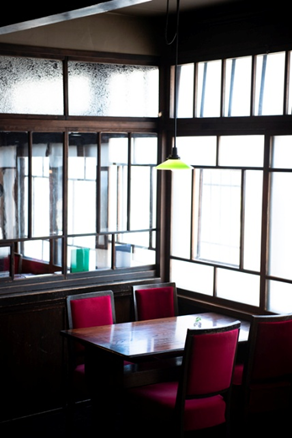
For example, near the entrance of an old coffee shop, the pillars that customers are likely to touch have a glossy shine and a darker color, and small items that give a sense of everyday life, such as chairs and umbrella stands in front of shops in shopping districts, are also elements of a space that gives a sense of traces that I like.

*Image from Getty
After entering university and realizing what I liked, I majored in architectural history and began to explore the nameless spaces that arise in our daily lives.
One of the most interesting places was a barber shop that had been converted from a public bathhouse.
The reception desk was located where the ticket counter used to be, and the interior had a high ceiling and an open feel.
The chairs were even modified from those found in the public bath, and I was impressed by how the space had been given new life while still respecting its lineage.
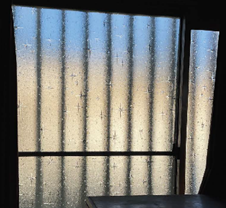
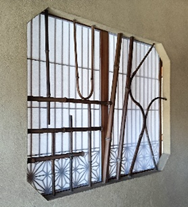
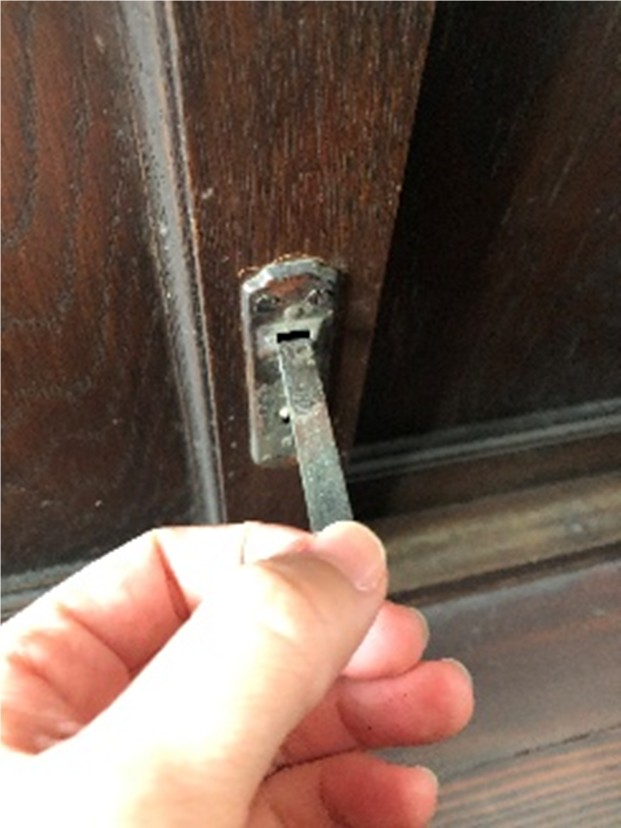
The shapes of the fixtures that make up the space, the types of glass, and the types of metal fittings used are all very useful in understanding the era.
By looking at the patterns and lattice designs of the glass used, you can determine the approximate era of the piece based on when it was popular.


Even items like flathead screws used in furniture and pull handles that are no longer seen today can provide clues to the era in which they were created.

Traces of this past lie hidden here and there in our daily lives, providing clues that give us fragments of memories from that time.
Once you find a space you like, be sure to pay attention to the details and find meaning in the small items that make up the space, and you will be able to come into contact with the thoughts and stories of the makers and owners.
Every day at work, I am reminded that there are actually many exciting stories in our daily lives.