From here on, you will be linked to Nomura Co., Ltd. 's partner page. You can apply from the list of available positions at the link. (Please note that CIC may not always be recruiting.)
![CIC [Content Integration Center] Fantasy Implementation Group](/wp-content/uploads/2024/10/ciclogo-w.svg)


CIC NOTE
2025. 12-05
Yutaka Tsuda
Hello!
My name is Tsuda and I work in the Technical Direction Department of the Content Integration Center (CIC).
■ Patent rights and copyrights (both types of intellectual property rights)
What comes to mind when you hear the word patent (patent law)? Are you unfamiliar with it? Do you not associate exhibitions with patents?
Copyright is a right very similar to patent law. The difference between the two rights is that they protect the rights of individuals who create "physical phenomena" and "creative works of mental expression." In our business, copyright is a word that is somewhat familiar to us, unlike patents.
■Is a patent an invention?
The Japanese Patent Act states that "The purpose of this Act is to encourage inventions by promoting the protection and exploitation of inventions, thereby contributing to the development of industry" (Patent Act, Article 1).
The intention is to protect the rights to wonderful creative inventions and promote industrial development by encouraging further creations that surpass those excellent inventions, so it gives the meaning of not just imitating, but also putting a little ingenuity into the same thing.
When we think of patents and inventors, we learn about Thomas Alva Edison in elementary school. He obtained 2,332 patents (Note 1) throughout his lifetime. That's an incredible number of inventions! One of his most famous inventions is the incandescent light bulb. There are various theories about this invention, but did you know that Edison didn't actually invent it? The first light bulb was invented by Joseph Swan of England, but Edison's invention was to improve the filament, develop a material that could provide a sustained light, and put it to practical use. While the word "development" sounds simple, a famous anecdote tells of the tremendous amount of effort and failure that went into the process.
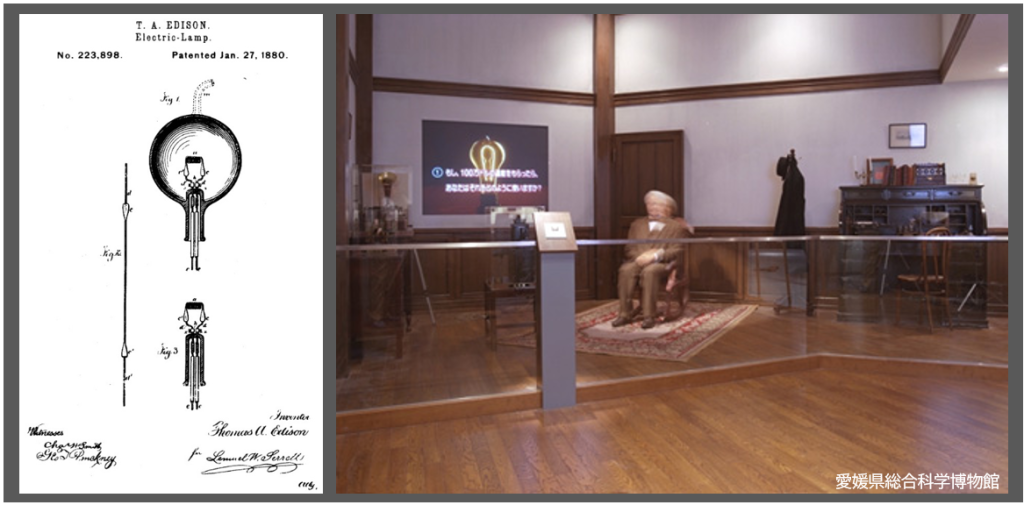
*Note 1) 1,093 patents in the US (the most by an individual), 1,239 outside the US
This is just my personal opinion, but based on this anecdote, I think that the work of our creative team (CR) and content integration center (CIC) is also akin to inventions on a daily basis. However, without realizing this, there may be inventions that are buried in routine work and abandoned, rather than obtaining the rights themselves. By broadening your perspective and asking yourself in your daily work, "Is this an invention? Could I obtain a patent?", you may be able to raise your level of thinking to the next level.
Coming up with a solution may lead to a patent.
When I was thinking about a device for experiencing silent gear changes for one project, I drew it over and over again, but I couldn't come up with a good idea to solve the problem. I finally completed it by drawing it over and over again! There is a sense of accomplishment when you finish it.
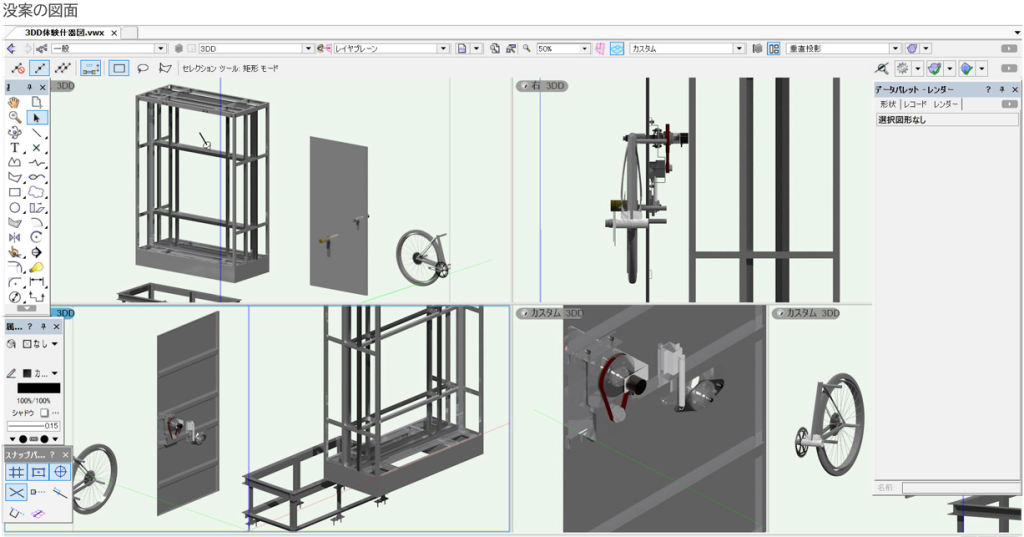
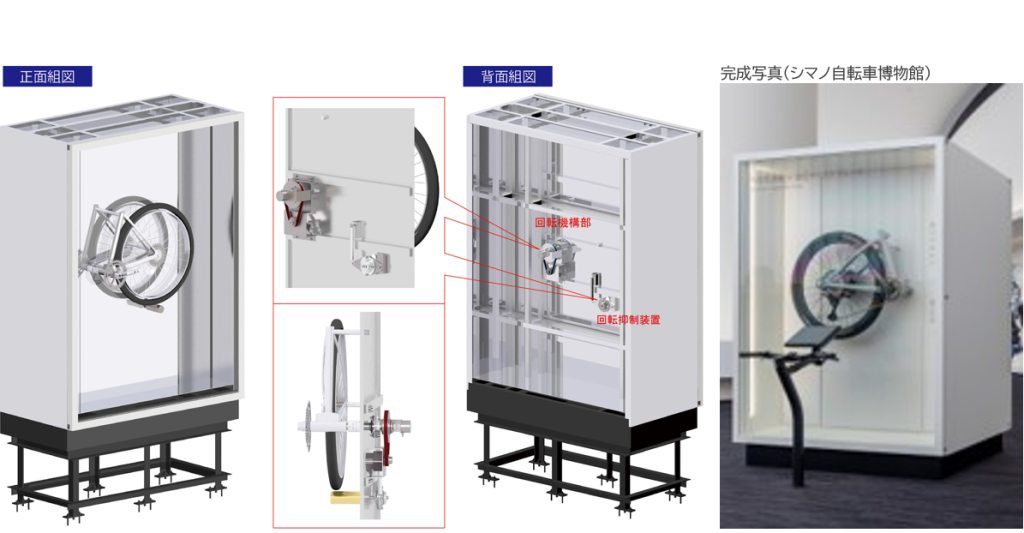
When working on a job, I think
10 types of obsessions that are considered particularly harmful in mental activity
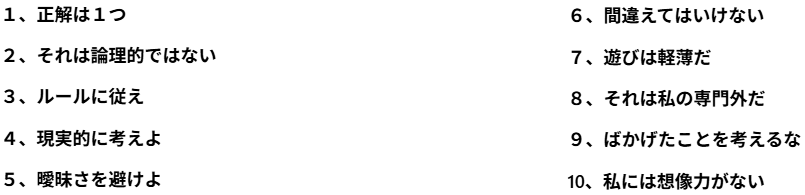
What is a patent? I think it is about expanding the possibilities of an invention and making the most of it (continued improvement and development through utilization).
Anyone can apply for a patent, so if you have an idea for an innovative invention, now is your chance to apply.
Inventioncomes fromseeingthe same thingaseveryone else and thinking something different.
-The habit of seeking "one correct answer" can have serious consequences on how we think about and approach problems.
Most people don't like problems, and when they arise, their reaction is usually to choose the first solution they come across.
I ask myself these questions every day as I go about my work.
It's quite interesting that our work allows us to complete ideas even if they are not inventions.